Nicolas Guilbert
Engineer. Lead standards designer at the Digital Container Shipping Association, 2020–2023, where he designed industry-wide standards adopted across container shipping. Founder of a school that teaches engineering from age 5.
Synchrokinesis
The shape is the lock.
A joint that locks with one motion and releases with the reverse. No screws, no clips, no tools. Anything built from these modules can be assembled, taken apart, and rebuilt by a person or a simple robot.
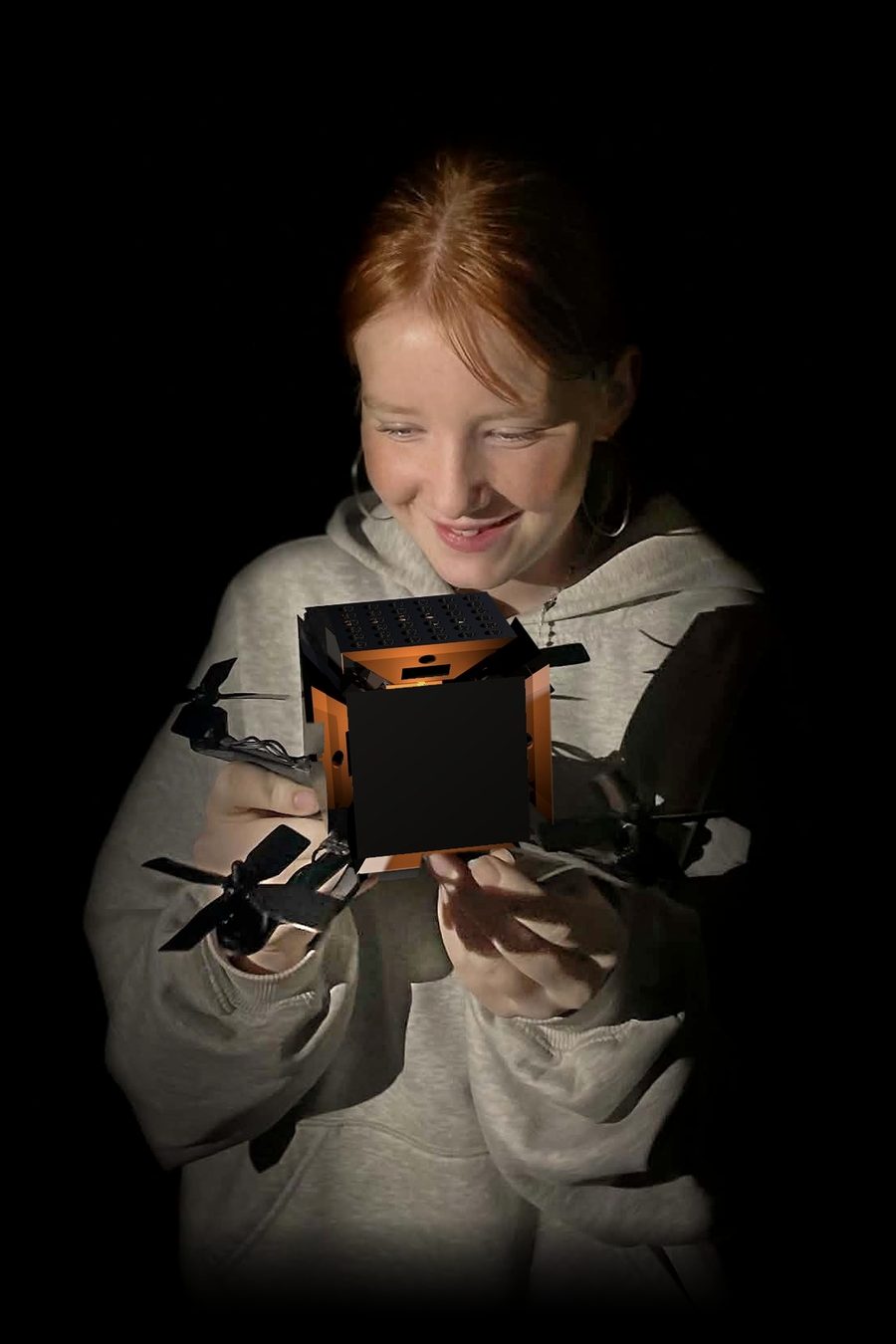
Kits, and open designs for schools. A Novo Nordisk grant funds an education track already in use at a school for ages 5 to 15. The demonstration drone in this picture swaps its battery, solar panel, lighting, and flight controller as modules.
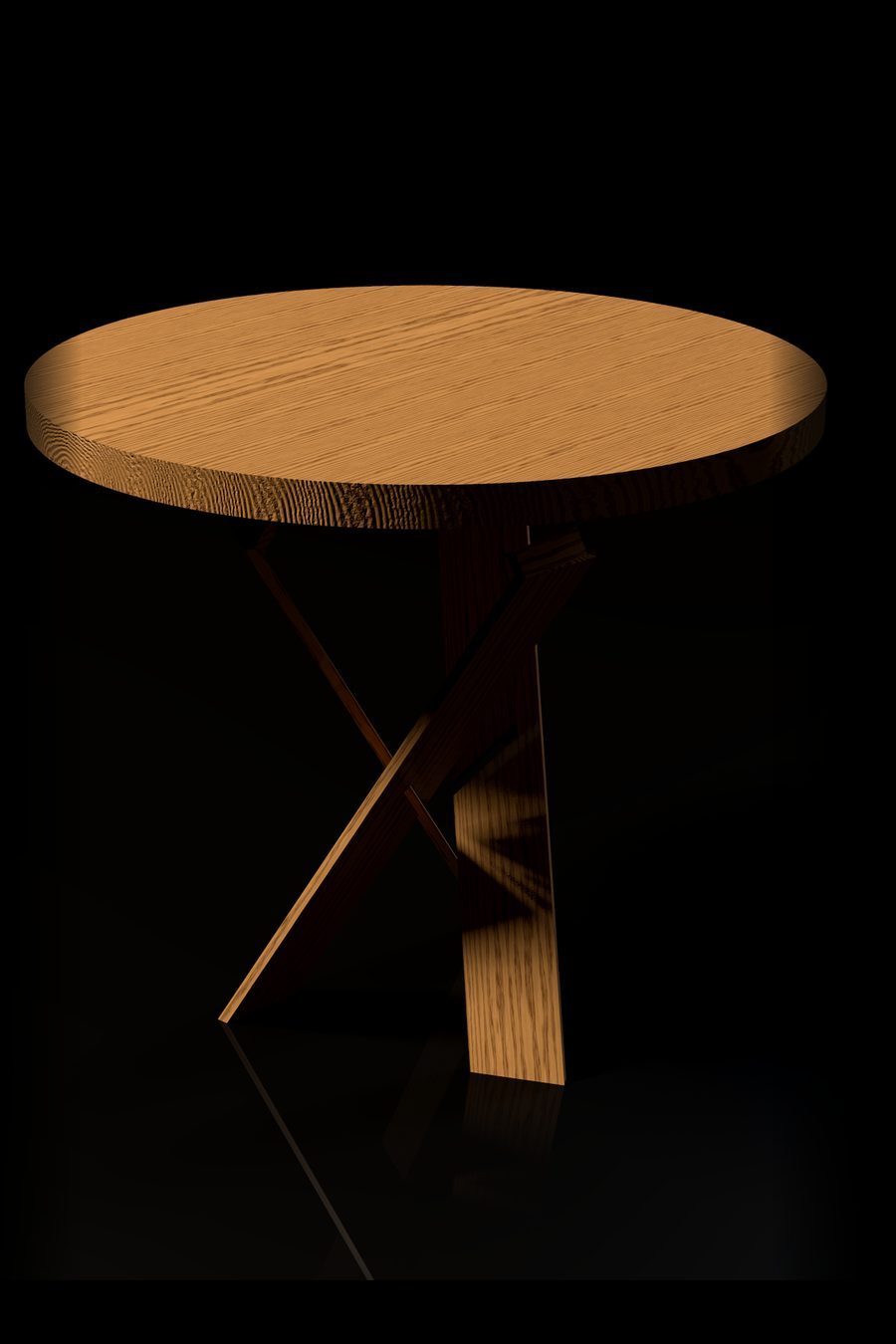
Furniture, flat-pack, and products that can be repaired: batteries, e-bikes, power tools. From 18 February 2027, portable batteries in products sold in the EU must as a rule be removable and replaceable by the end user. Assembly without tools is the product.
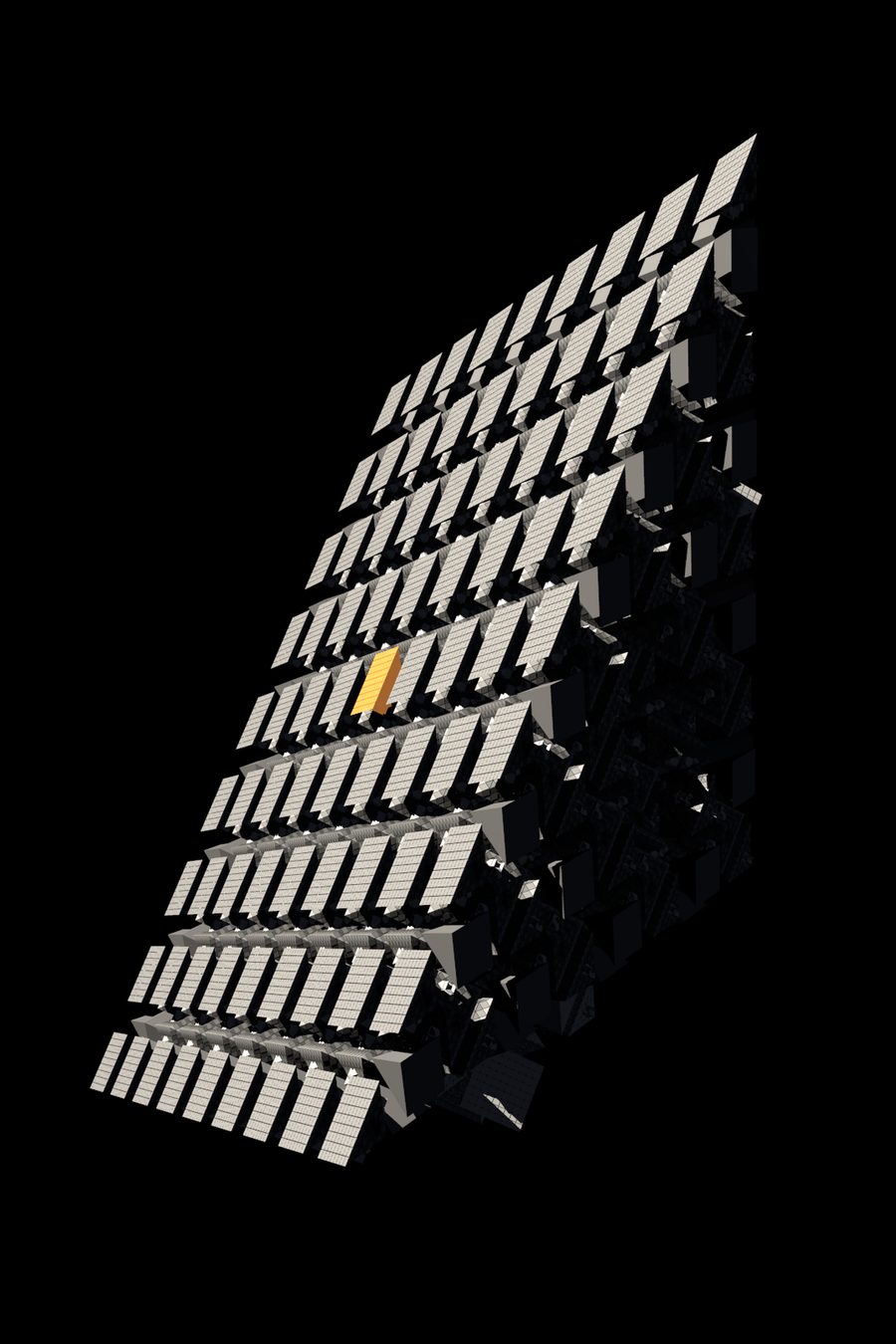
Modules launched flat-packed, then joined by robots into structures larger than the launcher. The same joint is serviced, upgraded, and rebuilt. On the ground it turns satellite integration into a production line. Volume on the ground makes the part cheap; space is the hardest proof.
Synchrokinesis is a connector geometry, not just a mechanism. The lock comes from the shape of the parts, so nothing in the joint has to stay powered to hold.
Patent pending.
Every existing joint gives up one of four things. This one does not.
| Joint | Strong | Reversible | Passive | Cheap per joint |
|---|---|---|---|---|
| Screws and bolts | Yes | Yes | Yes | Yes, but slow and hard for robots |
| Nails and rivets | Yes | No | Yes | Yes |
| Glue and soldering | Yes | No | Yes | Yes, but slow |
| Snap-fits and clips | No | Rarely | Yes | Yes |
| Bayonets, dovetails, rails | Partly | Yes | Needs a latch | Yes |
| Robot tool changers, docking interfaces | Yes | Yes | No. Motors and control. | No |
| Synchrokinesis | Yes | Yes | Yes | Yes |
It works with at least three parts moving together, not two. Joints are normally designed as pairs, which is why this was missed: we only have two hands. It came from describing the assembly motion mathematically, and it suits structures built from many modules.
We publish one interface, and protect it in layers.
We manufacture only qualified parts, for space and for other uses that demand them. Designs for schools and hobbyists are free.
Shipping changed when everyone agreed on one container. Electronics changed with one plug.
Engineer. Lead standards designer at the Digital Container Shipping Association, 2020–2023, where he designed industry-wide standards adopted across container shipping. Founder of a school that teaches engineering from age 5.
Engineer, and co-inventor of synchrokinesis. Planning a PhD on an optical mesh bus protocol for many-element synchrokinetic ensembles.
Product manager. Entrepreneur, with engineering and product management experience from Facebook and LinkedIn.